1.) 人無恥便無敵!
要贏就要無恥,而且要繼續無恥下去,直到永遠。
通常在宣傳陰謀論方面擁有既得利益,無論是為了個人利益還是為了推進特定議程。 即使被揭發,篤穿,只要夠厚面皮,必定可以東山再起!
e.g. 疫苗的陰謀論:包括聲稱疫苗與自閉症有關,它們含有有害化學物質或物質,或者它們是政府或製藥公司控製或傷害人們的更大陰謀的一部分。傳播疫苗陰謀論的著名人物是英國前醫生Andrew Wakefield,他在 1998 年發表了一項現已被揭穿的研究,聲稱 MMR(麻疹、腮腺炎和風疹)疫苗與自閉症之間存在聯繫。後來透露,Wakefield還為一種 (自己研發的) 新疫苗申請了專利,他聲稱這種疫苗是 MMR 疫苗的更安全替代品,Wakefield也繼續反對接種疫苗,並質疑疫苗的安全性和有效性。儘管大量相反的證據否定Wakefield,他在學界已經名譽掃地,他在英國被吊銷行醫執照,他的研究已被醫學期刊徹底下架,並被多家醫學期刊列為黑名單。但Wakefield繼續厚面皮,包括通過一部名為「Vaxxed:從掩蓋到災難」的紀錄片,繼續宣傳疫苗陰謀論。他的工作和遺產繼續影響社區對疫苗的恐慌,導致疫苗接種率下降和可預防疾病發病率上升。
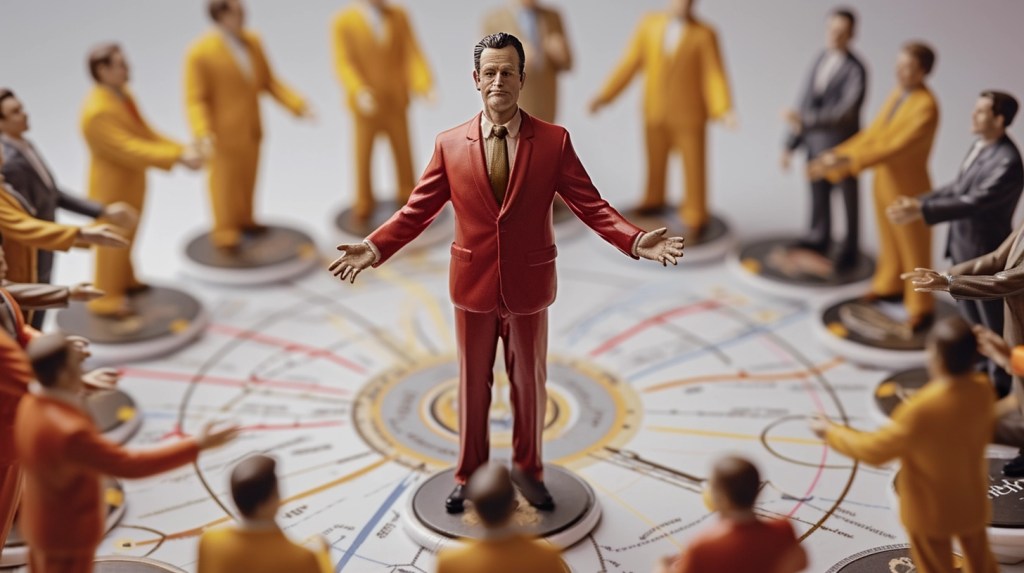
2.) 建立領袖魅力!
成功的陰謀論傳播者具有迷人的個人魅力,能夠提供追隨者在情感層面上的滿足感,暗示或聲稱自己是神聖的、先知的或超越凡人的存在,建立這樣的自我形象使得追隨者盲目地相信和服從自己的指導。
3.) 懂人性,操情感,事半功倍!
懂得操控情感,看準時機,凡有大事發生,例如股災、恐怖襲擊或疫情大流行,人們對於局勢的不安和莫名其妙的憤怒,在這個時候這些情緒通常沒有所指或未有明確的宣洩對象。精明的陰謀論散播者懂得使用人們的恐懼或憤怒等情緒來引導他人相信陰謀論。
e.g. 訴諸情感 (emotional appeals):利用人們對政府過度擴張的恐懼來推進他們的議程。例如,在 COVID-19 大流行期間,一些陰謀論者散佈謠言說該病毒是騙局,或者說政府以大流行為藉口來控制人們的生活。
4.) 篩選證據,聽風就是雨,天真就是易上當!
陰謀論傳播者經常刻意去挑選,甚至乎操縱證據來支持他們的主張,同時忽視或駁回與其相矛盾的證據。
2020年12月引發了一場COVID-19 疫苗風暴,一項研究聲稱:「人類細胞中的一種酶可能會將病毒序列複製到DNA中,使其滑入我們的染色體。這種酶叫做反轉錄酶。」其後研究未能通過同行審查(peer review),最終被逼下架。研究人員最終也承認:「It was a misjudgment… We do not have direct evidence for that yet.」在這個例子,雖然研究人員不一定是陰謀論傳播者,然而,真正的陰謀論散播者瞄準機會,利用這單新聞來對自己的大話進行辯護。
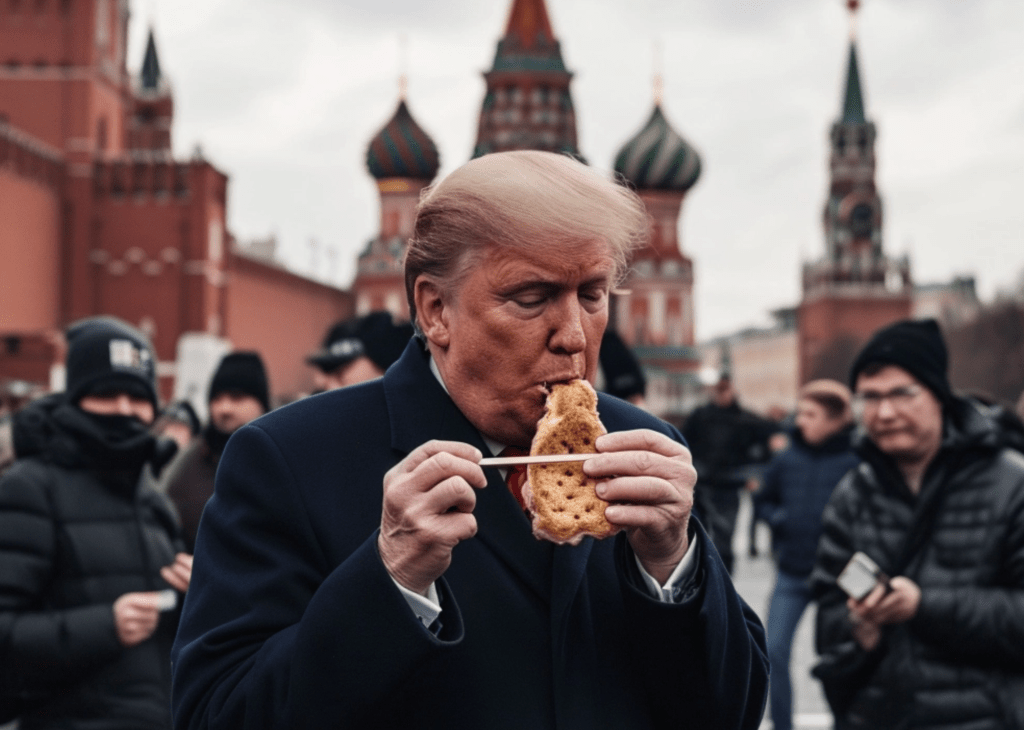
5.) 善用誤導性圖片!
使用欺騙性或操縱性策略,例如斷章取義或使用誤導性圖片或視頻。使用沒有出處的圖片和編輯過的圖像。虛假圖像極具有效性,能夠增強觀眾對陳述的信任,原因有二:
- 1.)人們習慣於圖像被用於新聞攝影,作為事件發生的證據。
- 2.) 看到一張圖像可以使人更快地從記憶中檢索相關信息。人們傾向於將這種易於檢索視為信息真實性的信號。
Adobe在2015年進行的一項研究發現,包含圖像的帖子比僅包含文本的帖子在Facebook上獲得的互動次數多三倍以上。
6.) 製造敵我矛盾!
培養一種「我們 vs 他們」的心態,將任何不同意陰謀論的人描繪成問題的一部分或陰謀本身的一部分。
譬如在 COVID-19 大流行期間,一些陰謀論者聲稱該病毒是一場騙局,戴口罩和保持社交距離等公共衛生措施是控制人口的更大陰謀的一部分。這些陰謀論傳播者將任何不同意他們信仰的人誣陷為盲目追隨政府或主流媒體的「羊」。他們聲稱他們的追隨者是一群自由思想家 (free-thinkers),他們才是唯一看到真相的人。
通過創造這種「我們 vs 他們」的心態,陰謀論傳播者能夠在他們的追隨者中創造一種歸屬感 (sense of belonging) 和社區感 (sense of community),同時疏遠那些不同意他們的人。反過來,這更容易說服人們拒絕旨在遏制病毒的公共衛生措施,從而導致進一步爆發並延長大流行的影響。
7.) 利用移情!
一些邊緣化的羔羊對於被關注、被發現和被認同有強烈的渴望。陰謀論傳播者應多加利用,建立無所不知的父親形象和權威,配合無條件愛護的母親形象,將兩者形象集合於一身,成為可被依靠的移情對象。
經典例子,查爾斯·曼森和曼森家族(Charles Manson and the Manson Family):
- 父親形象: 權威:磁性的領袖權威吸引了追隨者。 智慧:聲稱擁有隱藏的真相和洞察力。 認同:團體提供互相認同和確認地位。
- 母親形象: 培育:供情感支持,不批判和包容。 安慰:為邊緣化的羔羊提供慰藉。 接納:追隨者感到特殊和被選中。
7 可說是綜合 1-6 項能力,然後建立移情作用,斷而加以利用。並不是說擁有七項能力就等於陰謀論散播者。一個出色和危險的陰謀論散播者亦不一定同時擁有這七個能力,尤其 2 和 7。這兩項能力比較多出現於傳銷者、人生教練和邪教組織領袖。
總而言之,陰謀論可能因各種原因生根發芽,包括對權威的不信任、無力感或對歸屬感或社區認同的渴望。說實話,我都好明白,尋求關注或認可是一種人性的特徵,不一定是負面的,但我們應該避免傳播虛假信息、假新聞或陰謀論。在世界各地,社交媒體和互聯網讓人們更容易向更廣泛的受眾分享他們的意見,從而助長了信息的傳播——無論是真實的還是虛假的——繼而帶來不可預測的後果。
陰謀論是有害的。它們會助長恐懼和偏執,破壞對合法機構和個人的信任,並分散人們對實際問題的注意力。 因此,重要的是在接受任何宣稱之前,我們要使用證據和推理仔細評估它們 (呢步有啲難做到),我們可以依賴可靠的信息來源 ,而不是未經證實的聲明或謠言 (呢步都不容易做到)。

冇嘅,我都係搞吓氣氛啫,大家隨心啦。
1.) Shameless people are unstoppable!
To achieve victory, one must be shameless and continue to be shameless indefinitely.
Those who benefit from promoting conspiracy theories, whether for personal gain or to advance specific agendas, often have a vested interest. Even if they are exposed and criticized, as long as they have thick skin, they can always make a comeback!
For instance, let’s consider vaccine conspiracy theories: These theories include claims such as vaccines being linked to autism, containing harmful chemicals or substances, or being part of a larger government or pharmaceutical conspiracy to harm people. One prominent individual who spread vaccine conspiracy theories is former British doctor Andrew Wakefield. In 1998, he published a now-debunked study suggesting a connection between the MMR (measles, mumps, and rubella) vaccine and autism. It was later revealed that Wakefield had filed a patent for his own alternative vaccine, claiming it to be a safer substitute for the MMR vaccine. Despite overwhelming evidence refuting Wakefield’s claims, he faced significant academic discredit, had his medical license revoked in the UK, and his research was retracted and blacklisted by multiple medical journals. However, Wakefield continues to persist, promoting vaccine conspiracy theories through a documentary called “Vaxxed: From Cover-Up to Catastrophe." His work and legacy continue to influence communities, fuelling vaccine fears and resulting in declining vaccination rates and increasing rates of preventable diseases.
2.) Building Charismatic Leadership!
Successful conspiracy theorists possess captivating personal charisma, which allows them to provide emotional satisfaction to their followers. They imply or claim to possess a divine, prophetic, or extraordinary existence, establishing such a self-image that leads followers to blindly believe in and obey their guidance.
3.) Understand Human Nature, Manipulate Emotions, and Achieve More with Less Effort!
Understanding how to manipulate emotions and seize opportunities is crucial. During significant events such as stock market crashes, terrorist attacks, or pandemics, people often feel uneasy and inexplicably angry, but these emotions may lack specific targets or clear outlets for expression. Savvy conspiracy theorists know how to exploit people’s fears or anger to steer others towards believing in conspiracy theories.
For example, by employing emotional appeals, they leverage people’s fear of government overreach to advance their own agendas. For instance, during the COVID-19 pandemic, some conspiracy theorists spread rumors claiming the virus was a hoax or that the government was using the pandemic as an excuse to control people’s lives. They exploit people’s fears to promote their conspiracy theories, thereby influencing beliefs and behaviors.
4.) Filtering Evidence, “Hearing Wind as Rain," and Vulnerability to Deception!
Conspiracy theorists often deliberately select, and even manipulate, evidence to support their claims while ignoring or dismissing contradictory evidence.
In December 2020, a COVID-19 vaccine controversy erupted when a study claimed, “An enzyme in human cells may replicate viral sequences into DNA, allowing them to slip into our chromosomes. This enzyme is called reverse transcriptase." However, the study was later unable to pass peer review and was ultimately retracted. The researchers eventually admitted, “It was a misjudgment… We do not have direct evidence for that yet." While in this example, the researchers may not necessarily be conspiracy theorists, true spreaders of conspiracy theories seize such opportunities and use this single piece of news to defend their grand narratives.
5.) Effective Use of Misleading Images
Using deceptive or manipulative strategies, such as taking quotes out of context or employing misleading images or videos. Using uncredited or edited images. False images are highly effective in enhancing the audience’s trust in a statement for two reasons:
1.) People are accustomed to images being used in news photography as evidence of events.
2.) Seeing an image can help people retrieve relevant information from memory more quickly. People tend to view this ease of retrieval as a signal of information authenticity.
A study conducted by Adobe in 2015 found that posts containing images received over three times more engagement on Facebook compared to posts with only text.
6.) Creating an Us vs. Them Mentality
Cultivating an “us vs. them" mentality, portraying anyone who disagrees with conspiracy theories as part of the problem or part of the conspiracy itself.
For example, during the COVID-19 pandemic, some conspiracy theorists claimed that the virus was a hoax and that public health measures such as wearing masks and maintaining social distance were part of a larger conspiracy to control the population. These conspiracy theorists would label anyone who did not agree with their beliefs as blindly following the government or mainstream media as “sheep." They claimed that their followers were a group of free-thinkers who were the only ones who could see the truth.

By creating this “us vs. them" mentality, conspiracy theorists can create a sense of belonging and community among their followers while alienating those who do not agree with them. This, in turn, makes it easier to persuade people to reject public health measures aimed at curbing the virus, leading to further outbreaks and prolonging the impact of the pandemic.
7.) Transference
Some marginalized individuals have a strong desire to be seen, heard, and validated. Conspiracy theorists should take advantage of this and establish themselves as an all-knowing father figure and authority, combined with an unconditionally loving mother figure, becoming an object of empathic reliance.
A classic example is Charles Manson and the Manson Family:
- Father Figure:
Authority: A magnetic leader authority that attracts followers.
Wisdom: Claims to possess hidden truths and insights.
Identification: The group provides mutual identification and confirmation of status. - Mother Figure:
Nurturing: Provides emotional support without judgment and with acceptance.
Comfort: Offers solace to marginalized individuals.
Acceptance: Followers feel special and chosen.
By understanding and utilizing these elements of empathy, conspiracy theorists can effectively manipulate and influence individuals who are seeking validation and a sense of belonging.
7 can be seen as a combination of abilities 1-6, and then establishing an empathic connection to exploit it. It doesn’t mean that having all seven abilities automatically makes someone a conspiracy theorist. A proficient and dangerous conspiracy theorist may not necessarily possess all seven abilities at the same time, especially 2 and 7. These two abilities are more commonly found in MLM marketers, life coaches, and cult leaders.
In summary, conspiracy theories can take root and flourish for various reasons, including distrust of authority, feelings of powerlessness, or a desire for belonging and community identity. To be honest, I understand that seeking attention or recognition is a human characteristic and not necessarily negative. However, we should avoid spreading false information, fake news, or conspiracy theories. Social media and the internet make it easier for people worldwide to share their opinions with a wider audience, which can amplify the spread of information, whether true or false, and lead to unpredictable consequences.
Conspiracy theories are harmful. They can fuel fear and paranoia, undermine trust in legitimate institutions and individuals, and divert attention from real issues. Therefore, it is important to evaluate any claims carefully using evidence and reasoning (which can be challenging). We should rely on reliable sources of information rather than unverified statements or rumors (which is also not easy to do).


 Nobody
發表留言