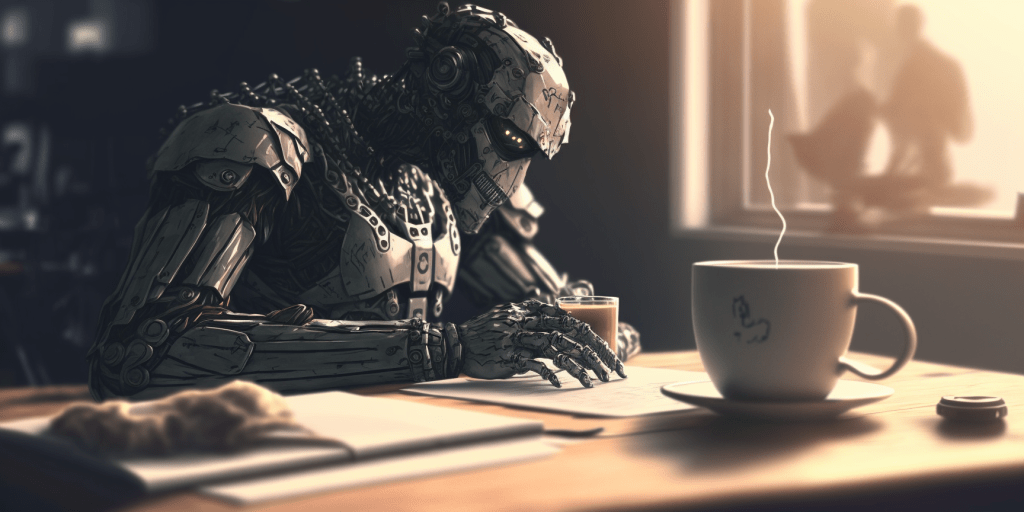
藝術品直接表現主體/人的思想(thought),而 AI 生成的“藝術品”則不代表一個人或創作者的思想,它只是代表自身。即使 ai 生成作品乃根據作者給出指令、需求的文字和描述而產生,它生產出來的結果也大多是你需要的而非你想要的 (it doesn’t gives you what you want, rather it gives you what you need)。
它可以做出一些令你眼花繚亂,極高質量,完全超出你原本所想像的,想要的東西,但它總是會令你滿意,拍手叫好。你可以不停要求它生成不同的圖像,直到有一個令你滿意為止。你亦可以要求佢不斷,製作同一種風格的圖片。 整個 ai 圖像生成過程並不需要用家的思想 (thought) 的參與 (但生成之前需要的就是指令),其間它只需要在大數據中找出一些跟文字指令吻合的可能性最高的內容 output 一些結果出來。
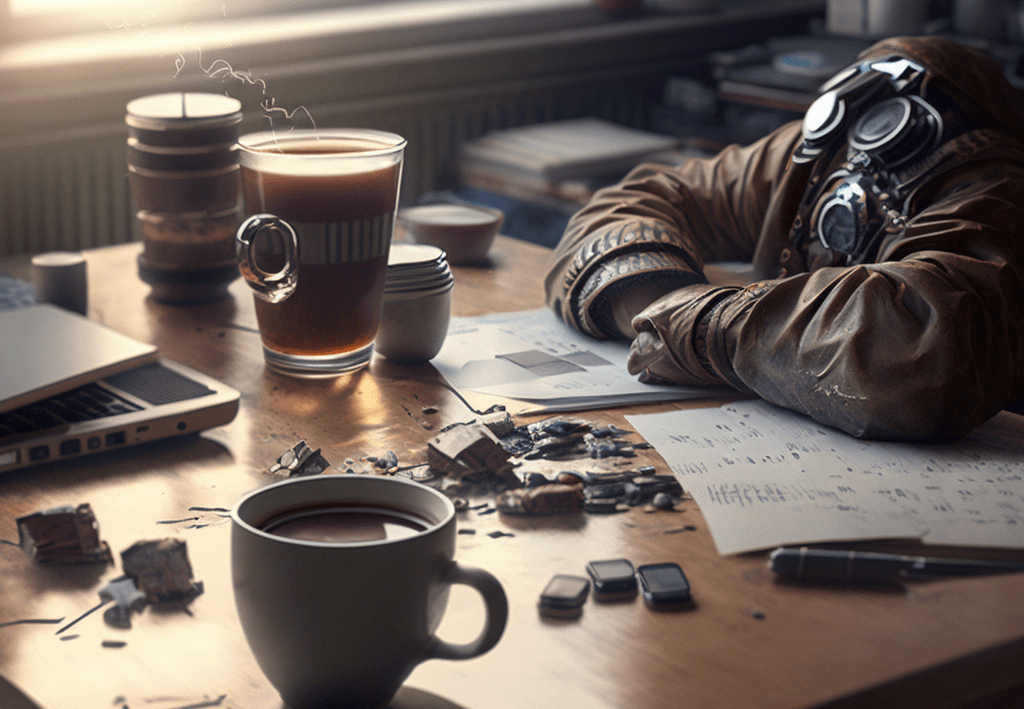
用家透過不斷修改和更正指令,要求 ai 重做,然後在一大堆生成圖像中,選一些有用的和喜歡的去據為己用。這就是我開頭所講 “It doesn’t give you what you want, it gives you what you need"。 就好似你去行花市,你有目的地逛某一種類型的花園區,你可能知道自己要某類型的花,甚至可能因為那一邊氣氛好一點,所以你想逛那兒,但你永遠不事先知道自己要那一朵花,行下行下,直到那朵花出現在你眼前,忽然你就意識到你想要那一朵花。這就是 ai 生成圖像的邏輯。
人類藝術的作品是直接反映藝術家的思想,藝術家的作品並不是透過概率/概然性 (probability) 去產生,而是透過感覺和判斷,直接將自己的思想注入藝術品中。
藝術作品直接反映著作者的思想,它是表達藝術家思想的媒介,它本身就是語言的一種。
如果你將 ai 軟件當做自己的一個任勞任怨,辦事速度極快的員工或助手來睇,兩者之別就更加明顯。 假設你係一個廣告公司老闆,你叫下屬度一個劇本或設計一個廣告,通常唔係你將自己心目中已經有的劇本或廣告的結果話畀佢聽叫佢 “設計”,或者係捉住佢隻手去做 (如果係嘅話你其實你唔需要下屬,因為你已經幫佢做咗),而係你畀一個基本要求、方向或者係藍本佢,叫佢幫你揼幾個 version 出嚟。通常佢哋做出嚟嘅嘢都唔係你直接想要嘅結果,實際上佢哋做嘅嘢交到貨,滿足到客人的要求就可以。但係你唔會話你班靚做出嚟嘅作品係你嘅作品,正正係因為佢哋嘅作品唔直接 present 你的 thought。
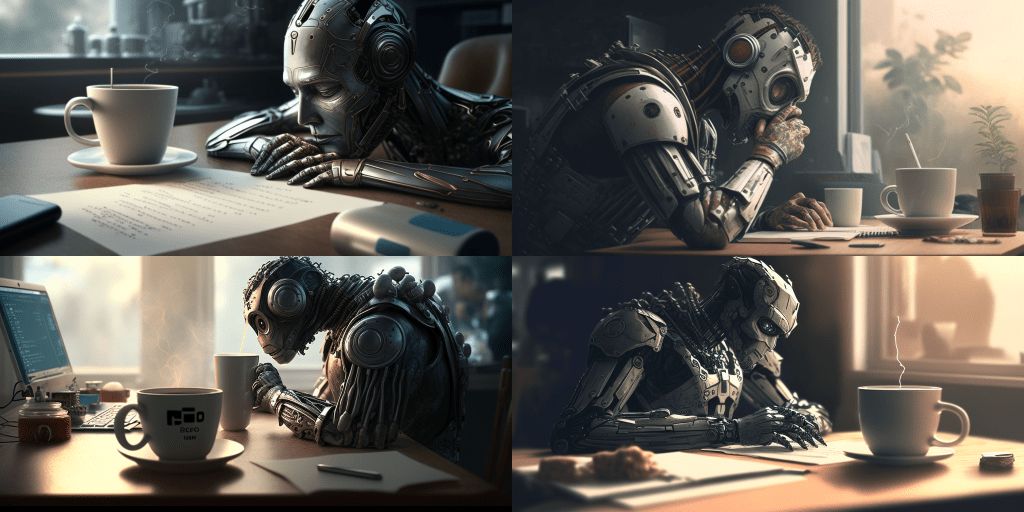
講返人話就是,你所做的僅僅提供工作要求和方向,餘下的工作就是你的員工去做 — 度橋和設計。好彩的話,你的員工所製作的廣告拿了最佳創意大獎。但是,得獎者依然是你的員工,而不是你。
另一個政治例子,假設追求民主自由、要求安居樂業、司法公正和紀律人員沒有特權乃民心所向,再假設香港人有普選,於是乎特首候選人 a,b,c 和 d,都揼了議案出嚟去滿足潛在支持者的要求。最後 a 勝出了因為他的議案最符合大多數人的要求。但我哋會話獲得最多人心的方案的設計者是 a,而不是所有香港人、b、c 和 d。
最終,雖然 AI 生成圖像係唔係藝術作品,我暫時未有結論,但即使佢係藝術品,佢都肯定唔係藝術家本人的藝術品。理由以上例子講得好清楚。
Generativity 非 translation
The difference between artists creating art and programmers inputting commands to make AI generate pictures is that human artwork directly reflects the artist’s thoughts and ideas, while AI-generated “artwork" does not necessarily represent the creator’s thoughts or a human subject. Instead, it merely represents itself. Even if the user provides instructions and descriptions of what they want, the AI may not give them exactly what they want, but rather what they need.
The AI can produce high-quality images that exceed the user’s imagination and desires, but still satisfy them. The entire process of AI image generation does not require the user’s thoughts (except for the initial input of commands) – it simply searches through a large pool of data to find content that matches the instructions and outputs the results. The user can continuously modify and amend the instructions, requesting the AI to create new images until they find one they are satisfied with.
This is why “It doesn’t give you what you want, it gives you what you need." It’s similar to visiting a flower market, where you may have a particular type of flower in mind, but you don’t truly know which one until you see it.
The logic behind AI-generated images is similar. The works of human art directly reflect the artist’s thoughts. They are not generated by probability, but rather conveyed through sensation and judgment, directly injecting their ideas into the artwork.
Artistic works directly reflect the author’s thoughts. It is a medium for expressing the artist’s ideas and is itself a form of language.
If you view AI software as a hardworking and fast-paced employee or assistant, then the difference between the two becomes even more apparent.
Assume that you are the boss of an advertising agency and you ask your employees to come up with a script or design an advertisement. Typically, you wouldn’t tell them the exact result you have in mind and simply ask them to “design" it, or dictate every step of the way (if this were the case, you wouldn’t really need an assistant because you’d be doing the work for them). Instead, you provide basic requirements, direction, or a blueprint, and ask them to come up with several versions for you. Usually, what they produce may not be exactly what you had imagined, but as long as they deliver the work that satisfies the client’s needs, their task is complete.
However, you wouldn’t claim that your employees’s design your design, because their design does not directly represent your thoughts. General speaking, all you do is to give a certain demand and a direction, and let your employees do the job. If, fortunately, one of your employees’s advertising design wins the Best Creativity Award, the winner is still your employee, not you.
Another political example: suppose that the pursuit of democracy and freedom, the demand for a better life, judicial fairness, and the absence of privileges for law enforcement officers are all in line with the will of the people. Further, suppose that Hong Kong is holding a general election, and special chief executive candidates A, B, C, and D have all designed their best proposals to meet the demands of potential supporters.
In the end, A wins because his proposal best meets the requirements of the majority. But we would think that A is the designer of the proposal that gained the most popular support, rather than all Hong Kong people, B, C, and D. Therefore, I have no conclusion on whether AI-generated images are works of art, but even if they are, they are definitely not the work of the artist themselves. The reason is well explained by the above examples.
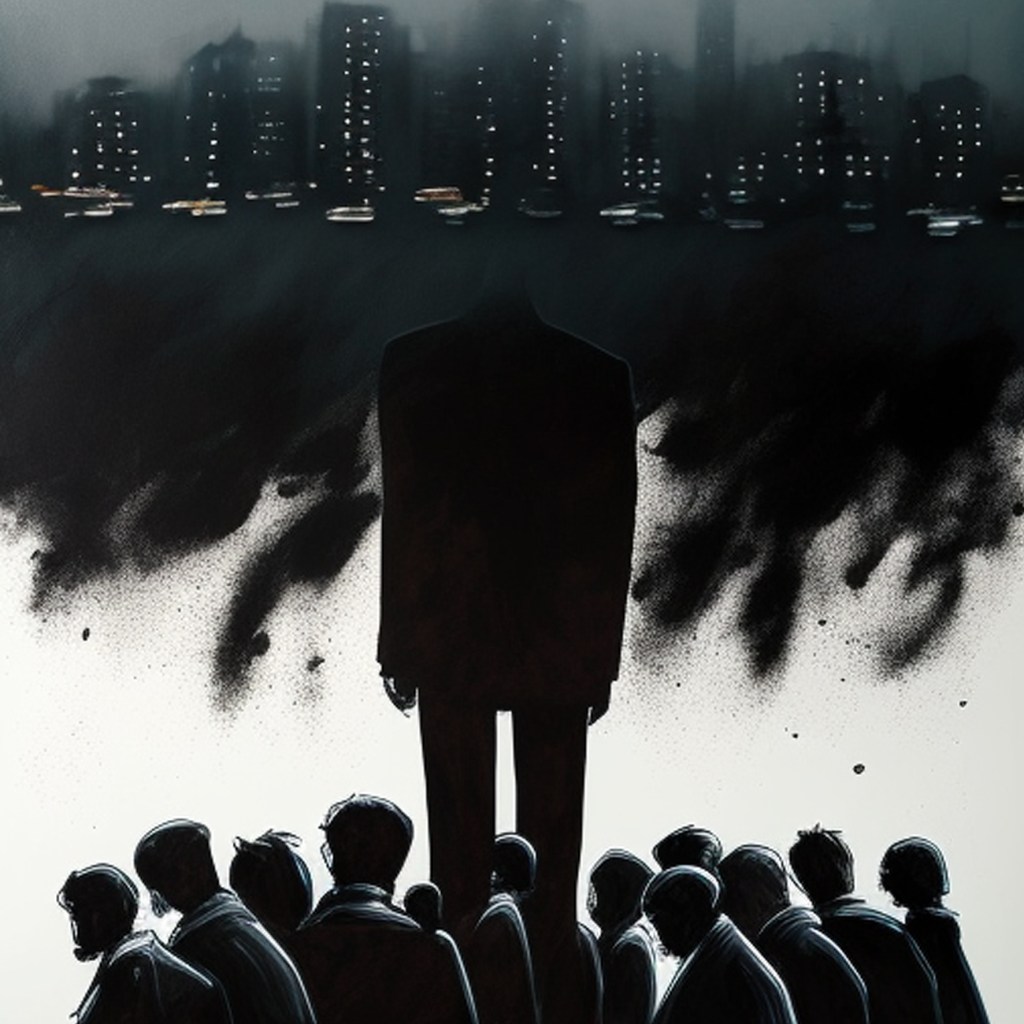
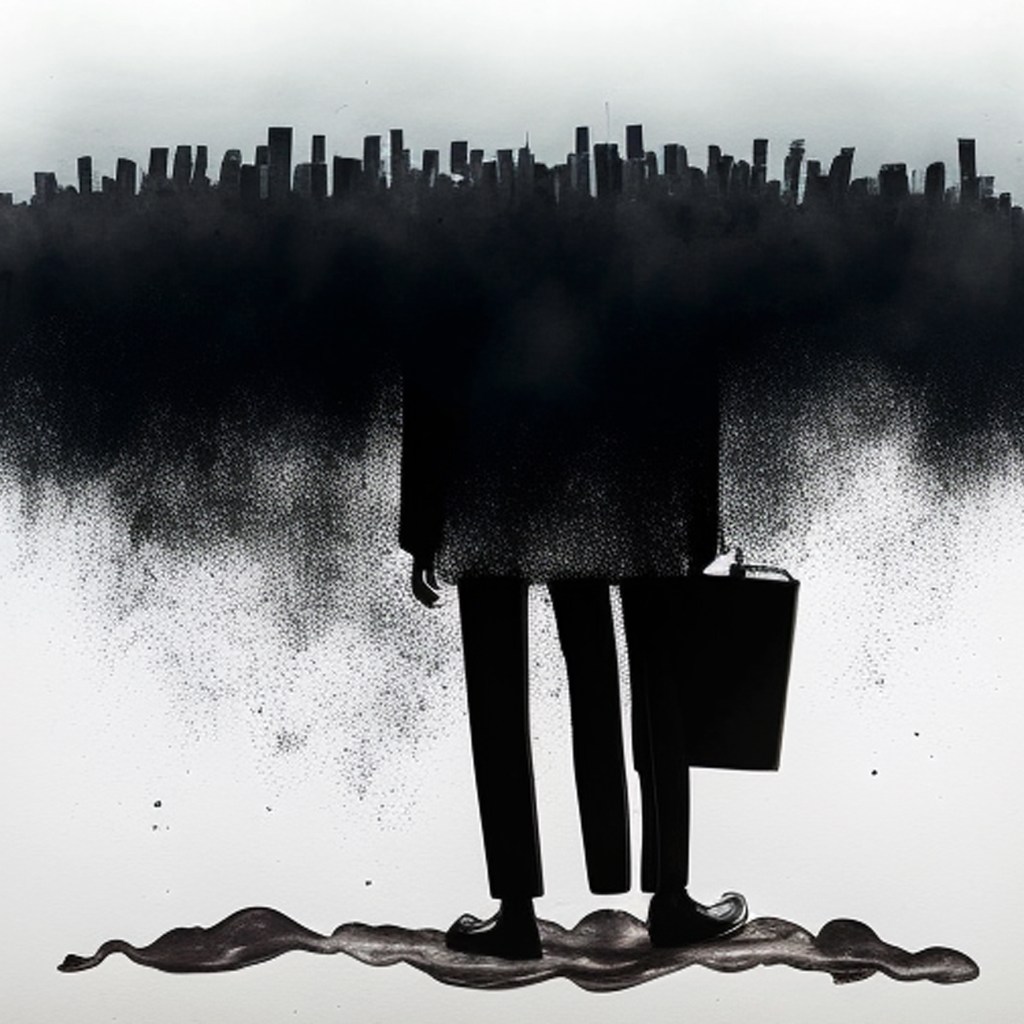
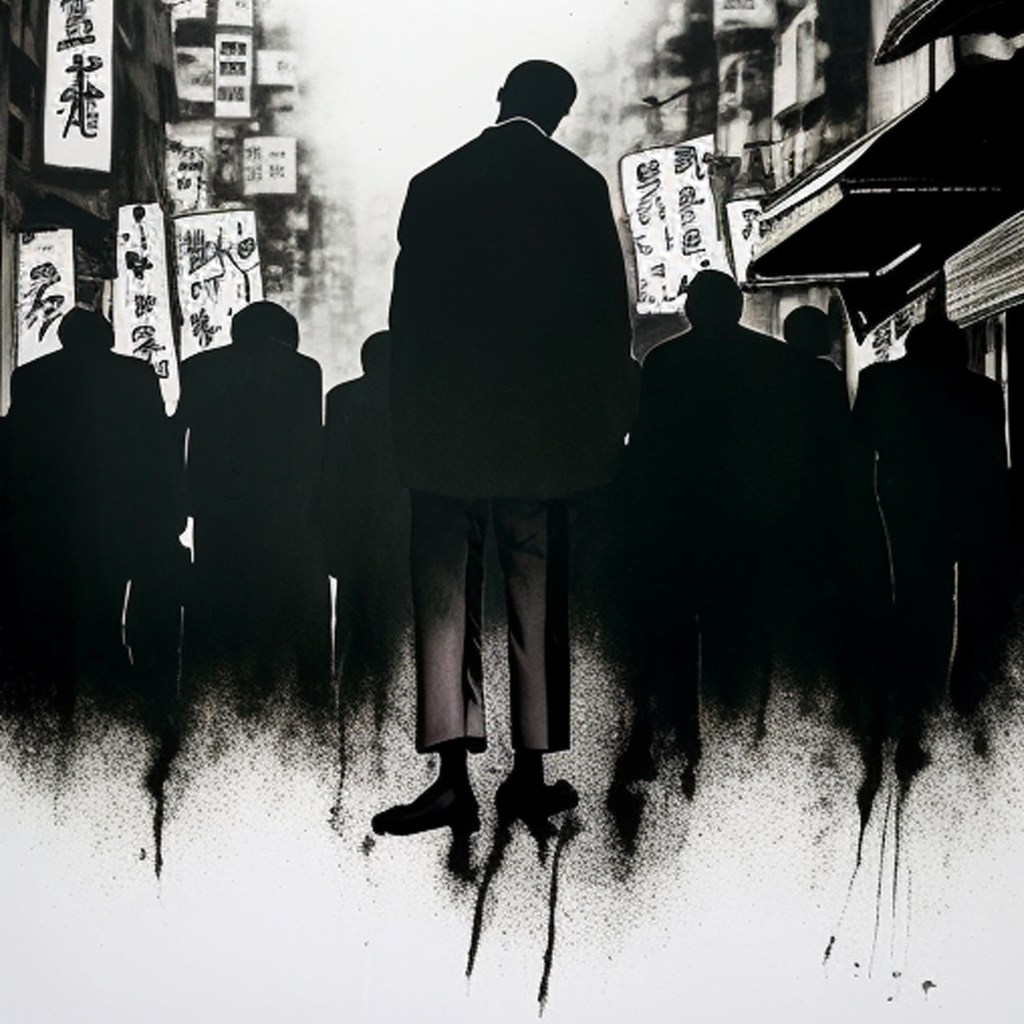
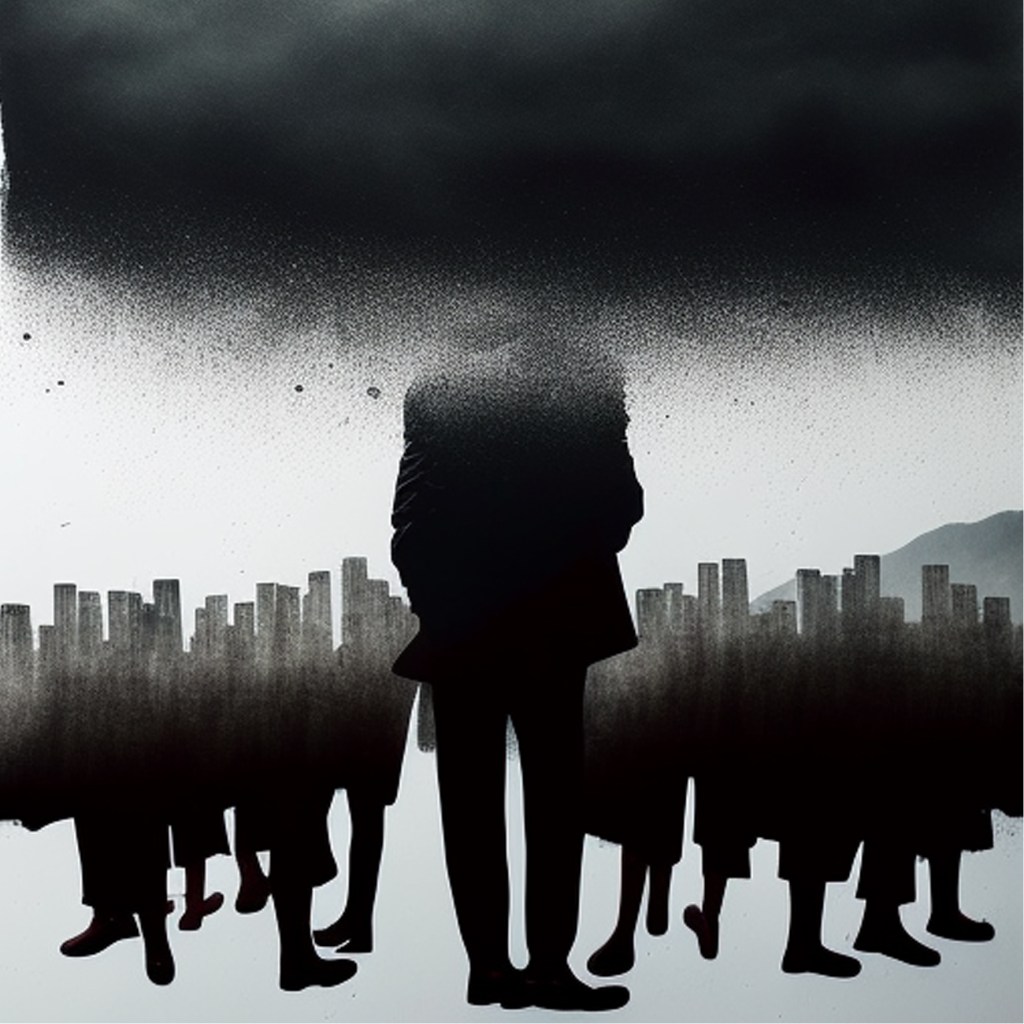
Are those AI-generated works still considered my own creations?
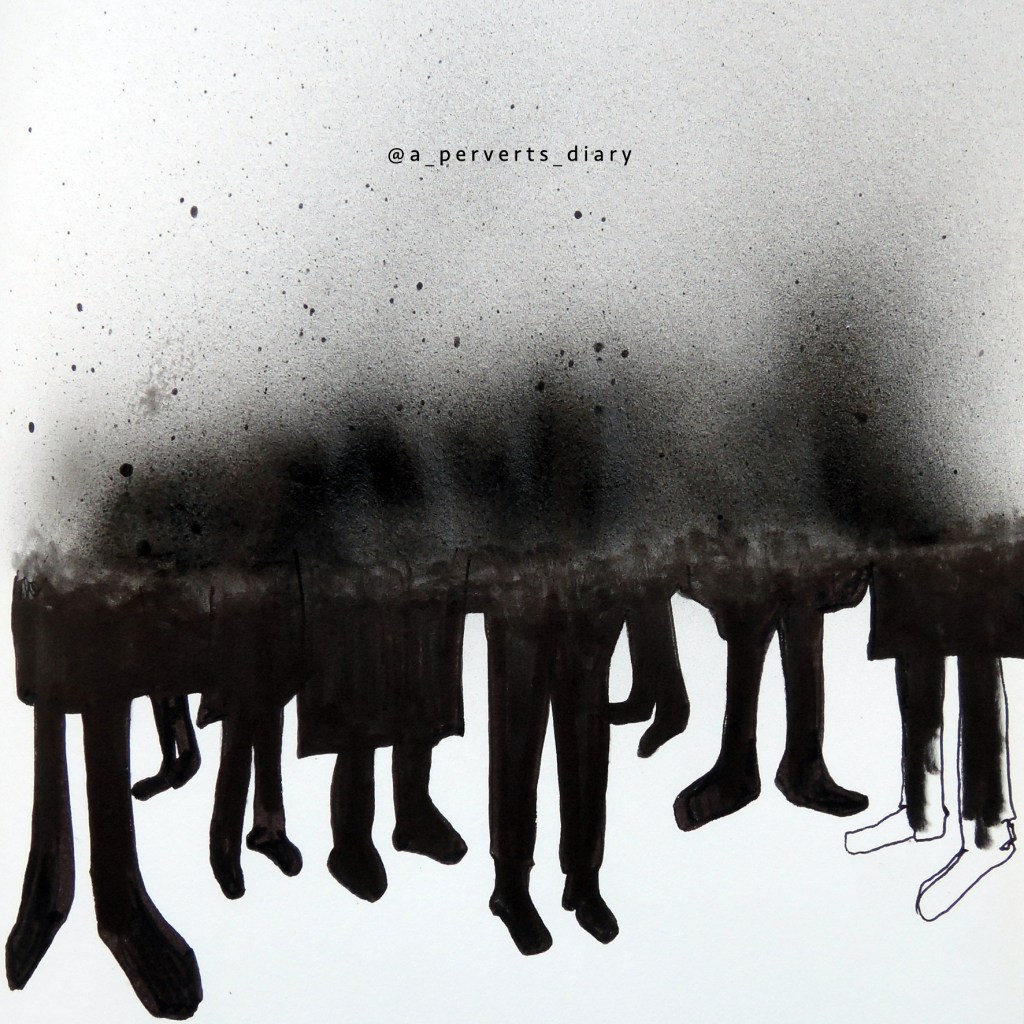
I have made modifications to these works based on my previous creations: The White – Collar Workers. The difference between “The White – Collar Workers" and the previous example “Hard-Working Robot Programmers", I only provided a direction, while for the “Hard-Working Robot Programmers", yet I provided the drawing style, ideas, direction, and the entire work for the “The White – Collar Workers".
However, I would still say that this is not my own work, but I can say that the work is entirely my idea and was modified based on my previous creations, namely the hand drawn artwork. For the “The White – Collar Workers" piece, I provided all the ideas, thoughts, drawing style, and even the final product. For the entire AI-generated work, my involvement can conservatively be estimated to be at least half or more.
There is still much room for discussion on this topic, and sometimes it needs to be discussed on a case-by-case basis. To be honest, most of the AI-generated works seen on the market are similar to the two examples mentioned above, where an advertising company boss or political candidate requests something and then has their subordinates or others design it for them, but they are not the content creators or producers.
 Nobody
發表留言